Free
Platform

Millions of Sites Worldwide

200,000+ Volunteering Opportunities
Roadmap4Recovery

Turn real‑world recovery into a game: Roadmap4Recovery is a location‑based addiction recovery app that transforms meetings, volunteering, and exploration into roadmap you complete in the real world.

Roadmap4Recovery

Turn real‑world recovery into a game: Roadmap4Recovery is a location‑based addiction recovery app that transforms meetings, volunteering, and exploration into roadmap you complete in the real world.

Value Proposition

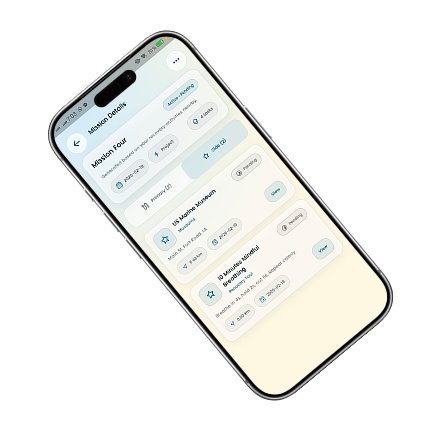
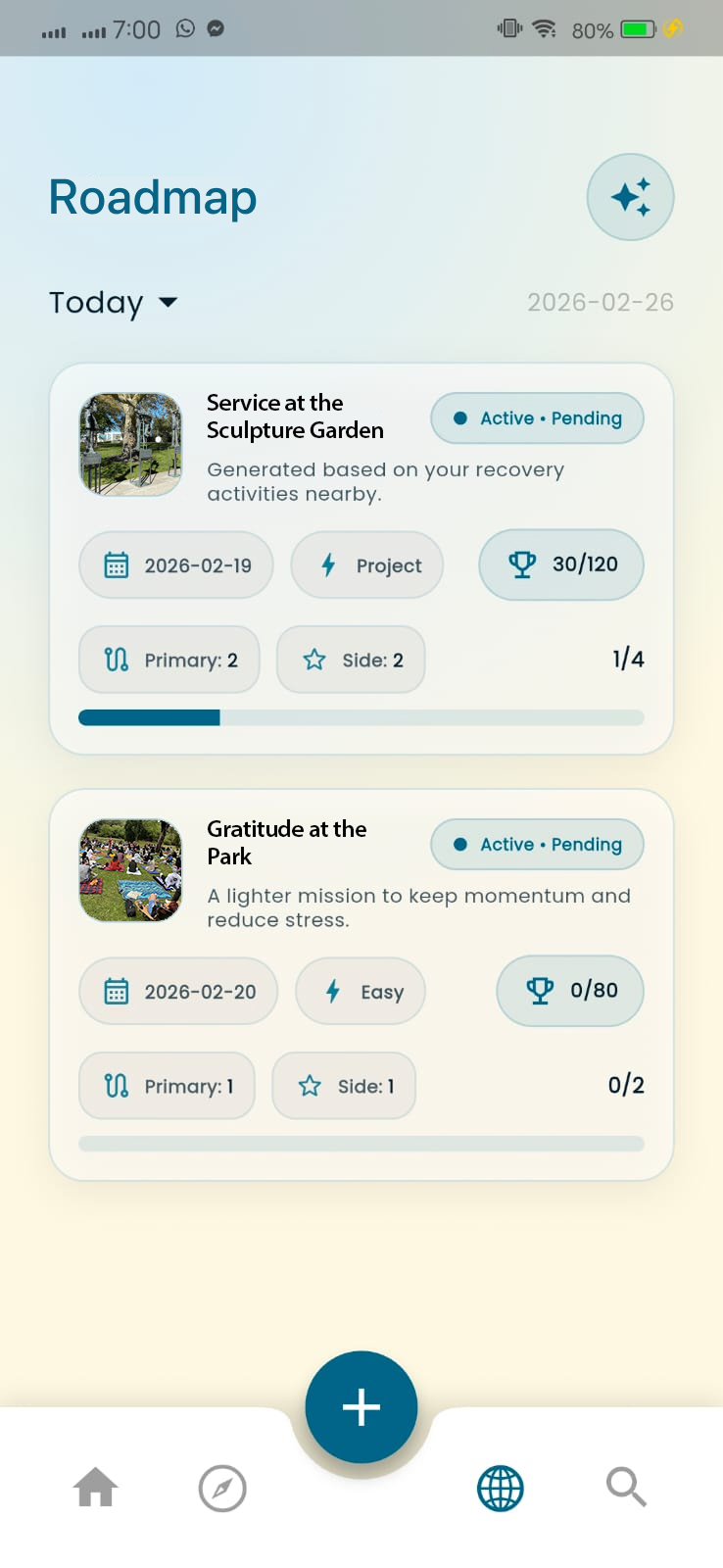
Stay engaged in recovery with real‑world roadmaps. Roadmap4Recovery auto‑generates roadmaps from nearby meetings, parks, museums, volunteer events, churches, and other positive locations, so there is always something constructive to do wherever you are.

Build healthy habits through side tasks. Each roadmap layers in simple secondary activities—like meditation, journaling, gratitude exercises, calm music, or short walks—that reinforce coping skills and relapse‑prevention tools while you play.

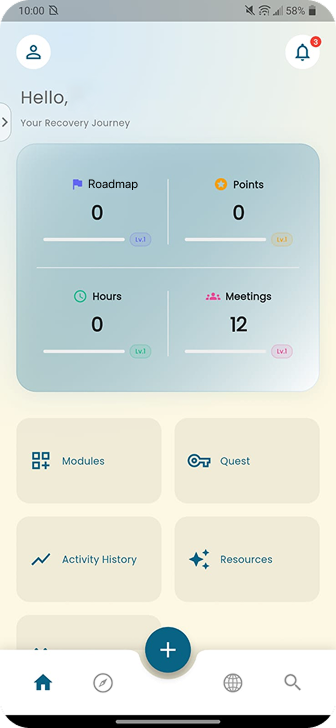
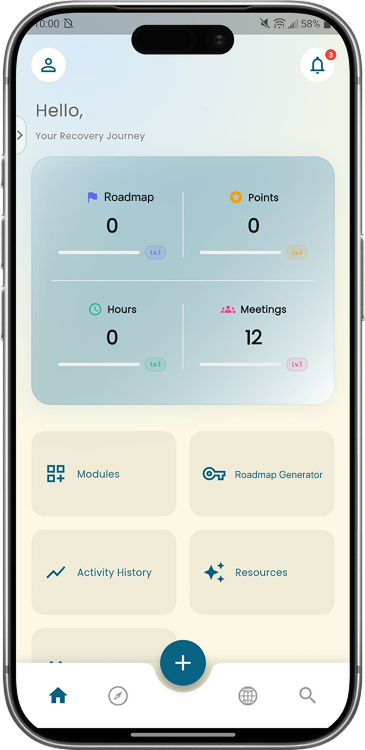
See your progress in points, badges, and streaks. A points dashboard and activity history break down how many meetings you attended, volunteer hours served, and places explored, rewarding you with achievement badges as you level up.

Let the app do the
planning.

An automatic Roadmap generator pulls from a large global database of locations and integrates with volunteer platforms and virtual AA/NA meetings, reducing the friction of finding the “next right thing” to do.

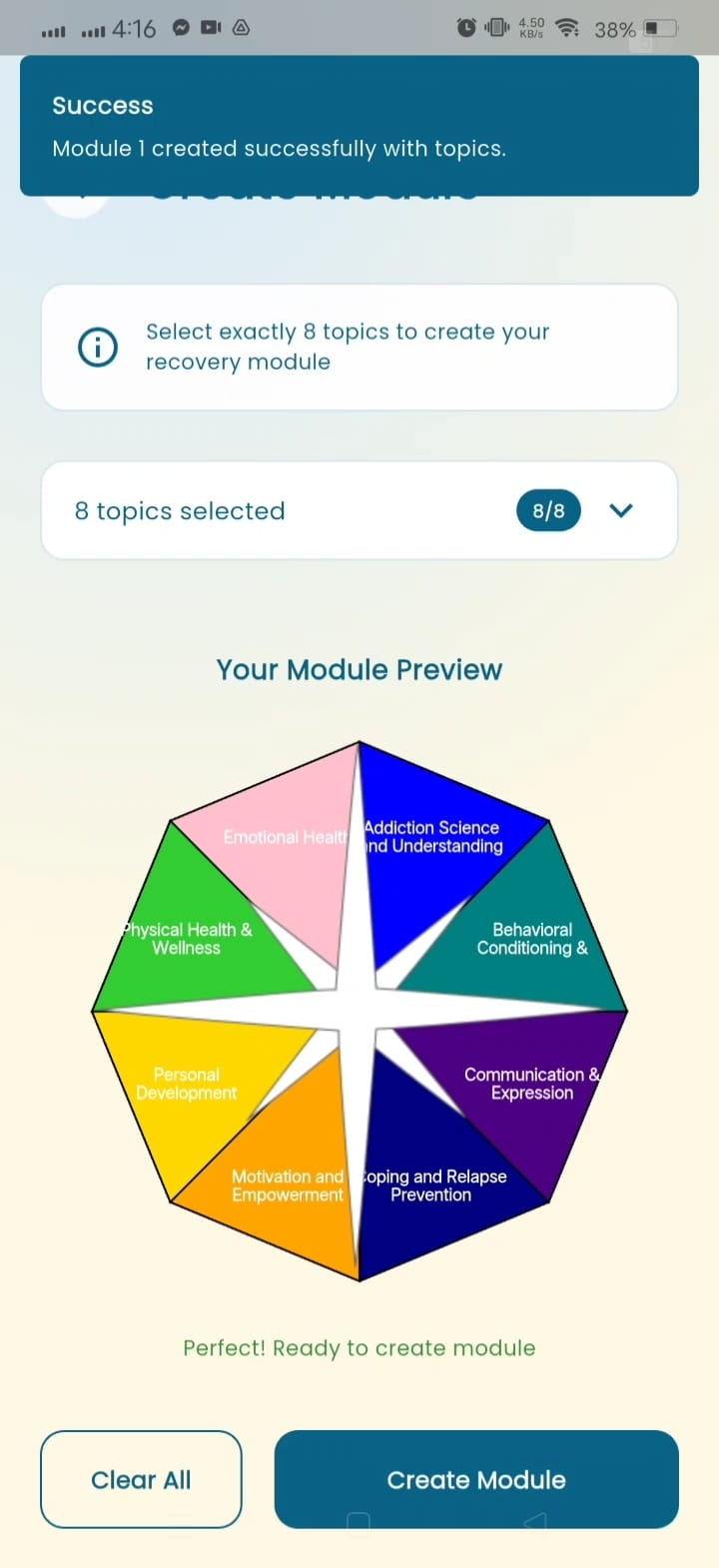
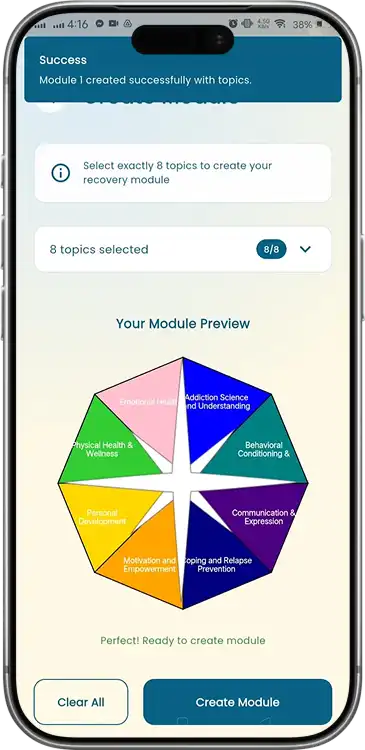
Featuring a rich, fully customizable curriculum..

Empowering users to focus on the topics that matter most to them—keeping learning engaging, relevant, and personalized.

Let the app do the
planning.

An automatic Roadmap generator pulls from a large global database of locations and integrates with volunteer platforms and virtual AA/NA meetings, reducing the friction of finding the “next right thing” to do.

Easily Track
Completed

Roadmaps, Volunteer Hours, Meetings and Points.

Let the app do the
planning.

An automatic Roadmap generator pulls from a large global database of locations and integrates with volunteer platforms and virtual AA/NA meetings, reducing the friction of finding the “next right thing” to do.

Featuring a rich, fully customizable curriculum..

Empowering users to focus on the topics that matter most to them—keeping learning engaging, relevant, and personalized.

Let the app do the
planning.

An automatic Roadmap generator pulls from a large global database of locations and integrates with volunteer platforms and virtual AA/NA meetings, reducing the friction of finding the “next right thing” to do.

Easily Track
Completed

Roadmaps, Volunteer Hours, Meetings and Points.

John Doe

Client

"Roadmap4Recovery gave me structure when I needed it most. The roadmaps kept me accountable, and the local meeting reminders helped me stay consistent. I finally feel like I’m progressing instead of just trying to survive each day."

John Doe

User

"Roadmap4Recovery gave me structure when I needed it most. The roadmaps kept me accountable, and the local meeting reminders helped me stay consistent. I finally feel like I’m progressing instead of just trying to survive each day."

Roadmap4Recovery Q&A

Roadmap4Recovery serves people in addiction recovery who want practical, real‑world structure between meetings, especially those who benefit from visual progress, gamification, and community‑based activities (meetings, volunteering, healthy recreation).

We address the “white space” between formal treatment and daily life by turning the open, often risky hours of the day into structured roadmaps linked to positive places and activities, reducing aimlessness and decision fatigue.

Yes: Roadmap4Recovery helps people in recovery turn everyday life into a journey of growth—transforming meetings, volunteering, and exploration into roadmaps that build healthy habits and rewire the brain’s reward system.

Increased attendance at recovery meetings, more volunteer hours, more time spent in positive environments (parks, museums, libraries, churches), stronger pro‑social routines, and users reporting higher motivation and confidence in their recovery.

We want more people sustaining long‑term recovery with stronger community ties, more consistent engagement in positive activities, improved wellbeing, and a city environment that feels like a supportive “recovery map” instead of a minefield of triggers.

The community would lose a tool that connects recovery meetings, volunteer work, self‑care, and local resources into one integrated, location‑based journey, making it harder for people to see and track their progress across all those areas.